
Word on the Street: Snippets | Media Watch | Ontario | Canada | World
The Almond Milk Paradox: How a “Green” Choice Became One of Agriculture’s Biggest Environmental Contradictions
Almond milk is widely marketed as a sustainable alternative to dairy. It is plant-based, climate-friendly, and framed as an ethical choice. But when the full supply chain is examined—water use, pollination, pesticides, and ecosystem impact—the picture becomes far more complicated. Read more.
World War III via Economic Warfare: A Fresh Take on Doomberg’s Thesis
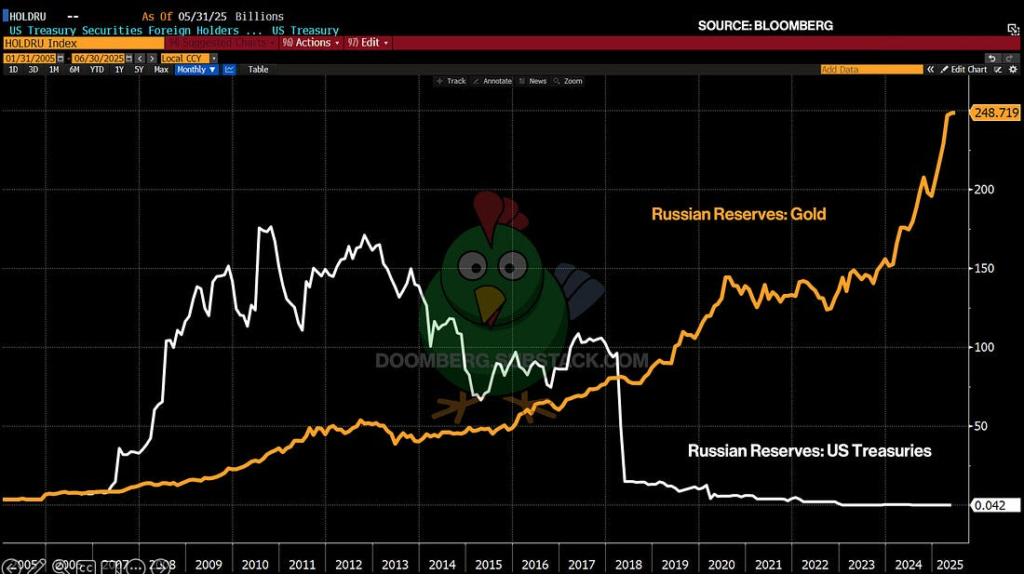
Doomberg’s latest essay, “World War III Enters a Dangerous New Phase,” reframes global conflict as an economic struggle rather than a purely military one. The catalyst, Doomberg argues, was Vladimir Putin’s decision in 2014 to shift Russia’s reserves from U.S. Treasuries into gold—undermining Western financial dominance and signaling ambitions to redirect oil and gas trade away from U.S. dollar settlements. [Read more]
The Inflation Question: Did the Fed’s Money Printing Erase Decades of Work?
In a viral post, market commentator Rudy Havenstein highlighted a stark reality: the U.S. Federal Reserve doubled the country’s monetary base in just two years—rising from $3.02 trillion in September 2019 to $6.38 trillion by September 2021, according to data from the St. Louis Fed (FRED). This extraordinary surge in money creation—unprecedented in scale outside of wartime—raises important questions about the root causes of inflation and the economic toll on savers and working families. [Read more]
Trump’s Copper Tariff Isn’t Just About Copper — It’s a Redrawing of Global Trade Lines
In a move that signals more than just economic protectionism, Donald Trump’s newly announced 50% tariff on imported copper is being framed as a strategic masterstroke in a quietly intensifying global trade war—one that goes beyond metals to reshape the geopolitical and technological balance of power. While headlines focus on copper, insiders and policy analysts agree: this tariff is about leverage, not just commodity pricing. [Read more]
EU’s New Policy: Protecting Industry or Greenwashing?
On July 2, 2025, the European Commission proposed exempting heavy industries—including steel, cement, and aluminium—from paying carbon taxes on exports under its Carbon Border Adjustment Mechanism (CBAM). The goal is to refund export-related carbon costs to avoid EU companies moving to lower-regulation jurisdictions—funded by CBAM revenues projected at €2.1 billion by 2030. Steel makers warn that rising carbon costs (estimated to reach €125/tonne by 2030) could become more than 50% of production cost, risking global competitiveness. [Read more]