
Word on the Street: Snippets | Belleville | Brighton | Cobourg | Kingston | Napanee | Peterborough | Prince Edward | Oshawa | Port Hope | Quinte West | Toronto

Northumberland: Word on the Street
What residents of Northumberland Are Really Talking About
A comprehensive review of policy and developments that impact our community.
The Cost of Living in Your Own Community
A Special Investigation into Taxes, User Fees and Municipal Affordability especially in rural Ontario.
For decades, municipal governments were funded primarily through property taxes, with user fees reserved for specialized services or optional activities. Today, many residents feel that balance has shifted. Property taxes continue to rise, yet so do parking fees, permits, licences and a growing list of charges attached to everyday activities. Read more.
The Rural Impaired-Driving Problem. Impaired-driving rates are nearly 3× higher in rural Canada than in urban Canada. Why?
What Prince Edward County’s unfinished search for a dependable ride home can teach every rural community. A resident of Prince Edward County recently posed a question that could have come from almost any tourism county, farming district or small municipality in Canada: if the Ontario Provincial Police are intensifying enforcement against impaired driving, how can the community bring Uber, Lyft or another dependable ride service into the region? Read more.
Port Hope: Social Media Civility, Warming Services, and Youth Support
Port Hope residents often talk about community civility and respectful discussion online, especially following municipal statements about negative social media use and its potential to divide community members. Many locals emphasize the importance of constructive dialogue and fact-checking to avoid misinformation and harm. Elsewhere, conversations highlight growing interest in services for youth—including wellness initiatives and safe spaces. Residents also discuss seasonal issues like snow removal and how best to support vulnerable neighbors during cold months. These discussions reflect a community keen to promote kindness and mutual understanding while advocating for practical solutions to everyday challenges.
Northumberland: Youth Wellness, Budget Debates, and Local Safety Trends
In Northumberland County, community discussions highlight three key themes: youth mental health resources, municipal budget debates, and public safety concerns. Local residents on social networks are actively commenting on the announcement of a new youth wellness hub in Port Hope, welcoming expanded services for young people while urging clarity on funding and access.
The proposed wellness facility has become a symbol of broader aspirations for youth support, with parents and service providers sharing stories about gaps in existing care. Many emphasize the importance of culturally sensitive, stigma-free supports that engage young people outside emergency crisis services.
At the same time, debates about municipal budgets—especially police and library funding—reflect polarization in community forums. Some locals argue that increased police budgets are essential for public safety, while others advocate for diverting funds into community outreach and preventive social programs.
Social media chatter also shows concern about traffic safety and local crime reports. Posts about DUI incidents, property crime, and pedestrian safety spur residents to ask for better lighting, crosswalks, and targeted enforcement. These conversations often link back to wider discussions on how resources are allocated at county councils.
Amid these debates, voices on both sides urge respectful discourse. Many residents try to share verified information from the Northumberland News and county posts to keep discussions fact-based and constructive.
Northumberland’s online community underscores a desire for holistic solutions: vibrant public spaces that feel safe, well-supported youth, and clear fiscal priorities that reflect the long-term wellbeing of all residents.
Northumberland’s Housing Challenge: Why Affordable Units Remain Scarce
Northumberland County recently recognized National Housing Day, emphasizing the growing urgency around homelessness and affordability. Officials highlighted progress on new units, but demand continues to outpace supply. The redevelopment of Elgin Park in Cobourg delivered 40 new units — a major improvement over the 18 that previously existed. That includes a mix of subsidized and market rents, offering safer and more modern housing options.
But the backlog remains huge. Waitlists for subsidized housing exceed 1,000 households, many of whom report waiting years for a placement. Rental vacancy across the county hovers around 1 percent, and social media threads reflect resident frustration — especially among seniors, low-income families, and people fleeing unsafe or unstable housing.
Many locals say they support new builds but worry the pace is far too slow. Without a dramatic acceleration in new affordable and rent-geared-to-income units, Northumberland risks falling further behind. The county may need to expand partnerships with non-profits, leverage surplus land, or explore alternative housing models before the crisis deepens.
Housing is the defining issue for the next decade — and residents are watching closely.
Shelter Modernization in Cobourg: A Turning Point Under Debate
The transformation of the 310 Division Street shelter in Cobourg has become one of Northumberland’s most discussed topics. The former low-barrier warming hub has been restructured into a more regulated, service-integrated transitional shelter. Staff now coordinate mental-health services, addiction supports, paramedicine visits, and legal outreach directly on-site.
While county officials call the change a positive step, not everyone agrees. A recent police raid on one of the units sparked public anger and heated debate at county council. Many residents questioned how drugs and other issues were able to persist inside a supposedly controlled environment. Others expressed concern for the vulnerable residents caught in the turmoil.
Social media shows the community is divided. Some welcome stricter oversight and clearer rules; others fear the shift will push people back onto the streets. The success of the new shelter model will depend on transparency, strong community engagement, and ensuring that supports are accessible to those who need them.
The debate is far from over.
Affordable Housing Upgrades: Elgin Park Is Progress — But Only a Start
The completed redevelopment of Elgin Park in Cobourg is being celebrated as one of Northumberland’s biggest affordable-housing success stories in years. The project created 40 modern units, including 28 subsidized rentals and 12 market-priced units. Constructed on time and within budget, the site nearly doubled its previous capacity.
But with more than 1,000 households still on waitlists, residents say this is only a fraction of what is needed. Online discussions show relief that something is being done, paired with frustration that the pace of building isn’t matching the urgency of need.
Housing advocates point out that unless the county can replicate Elgin Park at least five to six more times, the crisis will persist. Smaller rural communities — Brighton, Trent Hills, Cramahe — are raising concerns that new development is concentrated mostly around Cobourg, leaving them underserved.
Elgin Park proves Northumberland can deliver well-designed, affordable housing. The question now is how quickly and how often.
Repairs for 333 Homes: A Boost for Existing Affordable Rentals
A recent federal funding announcement is injecting more than a million dollars into repairs for 333 existing affordable housing units across Northumberland. These upgrades include critical fixes such as roofing, plumbing, accessibility improvements, and energy-efficiency updates.
Maintaining existing affordable units is often overlooked, but residents say it’s essential. Many county-owned buildings are several decades old, and deferred maintenance risks driving people out of homes that should be stable and secure.
While many welcomed the funding, others point out that it does not address the overwhelming need for new units. Repairs prevent further loss of affordable housing, but they do not reduce waitlists or create openings for the hundreds of households currently waiting.
Still, this investment ensures that hundreds of local residents — seniors, families, and people with disabilities — can remain safely housed. It’s a win, but not a solution on its own.
Will Northumberland’s Homelessness Committee Actually Change Policy?
Northumberland County’s Homelessness Committee has attracted considerable attention. Created to bring together local leaders, service providers, and people with lived experience, the committee hopes to reshape how the county addresses homelessness.
Members are exploring new approaches, including modular housing, tiny-home villages, and repurposing municipal properties for transitional housing. Residents with lived experience have pushed the county to stop relying on outdated shelter-system models that no longer work for many people.
The committee also wants to reduce bureaucratic barriers and increase coordination between the county, townships, and non-profits. But some residents fear the group may become “another advisory body without teeth.”
For the committee to succeed, it will need to deliver actionable recommendations — not just reports. With homelessness rising across the region, Northumberland cannot afford more delays.
Rising Tension Over Shelter Operations
Northumberland’s shelter system has undergone major changes, but the community response has been turbulent. Strong emotions erupted after a police investigation into one transitional-shelter unit raised concerns about oversight and drug activity.
Some residents argue that the shelter is destabilizing neighbourhoods, while others stress that people in crisis need support, not displacement. The county’s efforts to improve operations through new rules, staffing changes, and partnerships with health and social-service agencies have been overshadowed by debates about safety and trust.
Local discussions suggest many residents feel unheard or unsure about how decisions are being made. Without clearer communication, shelter policy may continue to divide communities instead of bringing them together.
Long Waitlists Leave Families in Limbo
For many Northumberland families, the subsidized-housing waitlist feels endless. Parents with young children, seniors on fixed incomes, and people with disabilities report waiting years — some up to a decade — before receiving placement.
Meanwhile, the rental vacancy rate remains near 1 percent, making it nearly impossible for low-income households to find units they can afford. As a result, many families are forced into unstable arrangements: split households, shared housing, or long commutes from outside the county.
The long-term costs are significant. Children’s schooling becomes disrupted, job opportunities shrink, and health outcomes worsen. Unless the county dramatically increases affordable-housing supply, waitlists will continue to grow faster than new units come online.
Slow But Steady: Northumberland’s Long-Term Housing Strategy
Northumberland’s Housing & Homelessness Plan outlines ambitious goals — but progress has been uneven. While projects like Elgin Park show what is possible, other elements of the strategy lag behind.
Many residents feel that the plan places too much emphasis on studies and not enough on rapid construction. Others note that the county does not currently have the labour or funding to achieve its most ambitious targets.
Online conversations often ask the same question: if the need is so urgent, why is progress so slow? The county must find ways to streamline approvals, attract private-sector partners, and secure more federal and provincial funding if it hopes to realize its long-term vision.
Homelessness and Public Safety: A Growing Divide
Across Northumberland, residents are reporting more visible homelessness, open drug use, and mental-health crises. Some call for stricter enforcement, while others push for compassion and investments in supportive housing.
This divide has surfaced at council meetings, in neighbourhood groups, and across social media. What’s clear is that the county cannot enforce its way out of homelessness. But residents also deserve to feel safe walking downtown or near public spaces.
The challenge is balancing enforcement with services — and ensuring no community feels abandoned. That balance will define the county’s social-policy approach for years to come.
Seniors’ Care Expands — But Land for Housing Shrinks
Northumberland’s population is aging faster than the provincial average. The county’s decision to sell part of the former Westwood Drive property to a long-term-care provider reflects this demographic shift.
Residents welcome more long-term-care beds, especially as waitlists for seniors’ homes continue to grow. But some worry that giving up municipal land for a care home reduces opportunities for future affordable housing.
Northumberland must now find a way to support both its aging population and younger families looking for attainable housing — a difficult balancing act that will shape future planning decisions.
Modular Housing: A Fast, Flexible Option Gaining Momentum
Modular housing is quickly becoming one of the most talked-about options in Northumberland. These factory-built units can be installed far faster than traditional construction and may provide a rapid response to housing shortages.
Advocates argue that modular homes are ideal for transitional housing, student housing, and seniors seeking smaller, low-maintenance units. Critics worry about long-term durability, aesthetics, and how communities will react to alternative housing forms.
But as the housing crisis intensifies, Northumberland may have no choice but to embrace innovative approaches. Modular housing could be the county’s quickest path to increasing affordable supply.
Maintaining Affordable Housing: The Importance of Repairs
Affordable housing doesn’t only mean building new units — it also means protecting what already exists. Aging affordable and subsidized housing in Northumberland often requires significant repairs, from heating systems to roofing to accessibility features.
Recent repair funding ensures that hundreds of low-income residents can remain safely housed without displacement. This reduces strain on shelters and prevents existing units from falling into disrepair.
But residents are calling for long-term maintenance plans, not just one-time funding. Preserving affordable housing is often cheaper than replacing it — and essential to preventing more families from slipping into homelessness.
The Hidden Cost of Long-Term Waitlists
Long-term housing waitlists affect more than individual households — they impact the entire community. Families stuck in transitional housing or unsafe rentals often face school disruptions, reduced employment opportunities, and higher health-care needs.
Service providers warn that long delays in accessing stable housing can increase demand for social services and emergency systems. The county’s challenges will only grow unless it accelerates construction and adopts innovative housing models.
Community Frustration Over Shelter Changes
The shift away from a low-barrier shelter model has sparked waves of community reaction. Some believe the change will reduce neighbourhood disturbances; others fear it simply pushes vulnerable people into more dangerous conditions.
Local debates suggest that residents feel disconnected from the decision-making process. Improved communication may help rebuild trust, but many say the county needs to demonstrate that these changes actually improve outcomes.
Affordable Housing Strategy: On Paper vs. Reality
Northumberland has a well-documented affordable housing strategy — but implementation has proven challenging. Rising construction costs, labour shortages, and limited provincial funding contribute to delays.
Residents express frustration when strategies focus on long-term targets without addressing immediate need. The county must find ways to accelerate timelines while maintaining quality and safety.
Rural Residents Feel Overlooked
Rural areas like Trent Hills, Cramahe, and Alnwick/Haldimand often feel sidelined in housing discussions. With few rentals, limited transit, and long distances to services, rural households face unique barriers.
Residents say policies designed for Cobourg or Port Hope don’t always translate to rural life. Better regional planning could ensure that housing strategies reflect the entire county, not just urban centres.
Balancing Seniors’ Needs and Housing Supply
Northumberland’s aging population requires more long-term-care beds and supportive housing. But expanding seniors’ services often competes with land and funding needed for affordable family housing.
The county will need to prioritize mixed developments, shared campuses, and integrated care-housing models to meet both needs without sacrificing one for the other.
Housing Policy Needs Public Pressure
Residents across Northumberland express frustration that housing decisions move slowly and lack transparency. Public engagement — attending meetings, emailing councillors, joining advisory committees — can accelerate political action.
Housing is shaping up to be the defining issue of the next decade. With more public pressure, Northumberland could reshape its policies in meaningful ways.
A County in Transition: What Comes Next
Northumberland is entering a tipping point. Population growth, an aging demographic, increasing homelessness, and soaring housing costs are transforming the region.
The county’s next decisions — on shelters, housing development, land use, and long-term care — will determine whether Northumberland becomes more stable and affordable or continues down a path of widening inequality.
Residents, officials, and service providers will all play a role in shaping what comes next.
Rural Northumberland faces escalating policing costs — and councils are outsourcing the thinking
Residents across Northumberland County — from Hamilton Township to Cramahe and Trent Hills — are bracing for another round of policing cost increases as the County weighs whether to restructure how police services are delivered. Behind the scenes, a consultant-led review is already guiding the conversation about what the future of policing in the region…Read more.
Brighton
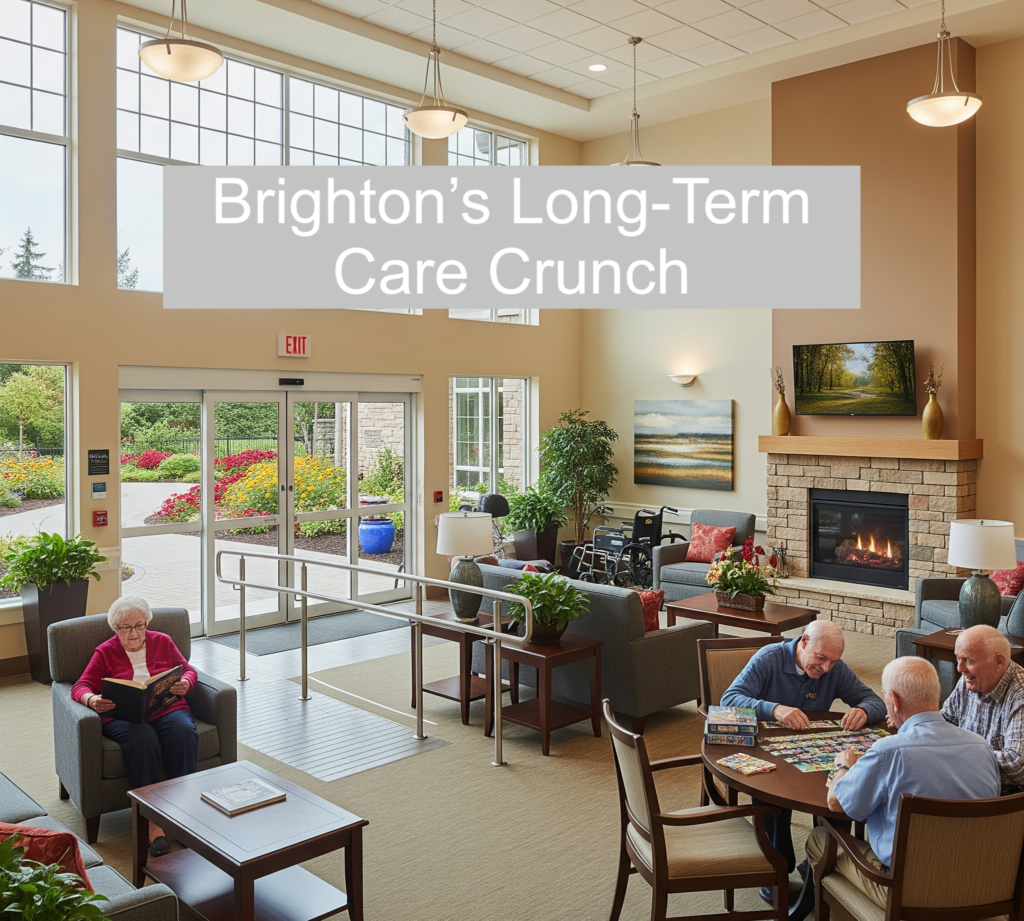
Brighton’s Long-Term Care Crunch: Local Residents Grapple with Aging Infrastructure, Workforce Strain, and Slow Delivery
Brighton’s aging demographic—already above the provincial median—has pushed long-term care to the forefront of local concern. While many towns are watching Presqu’ile Place’s construction with relief, the path to fully operational beds remains fraught with uncertainty.
Presqu’ile Place: Ground Broken, But Not Soon Enough
This summer, construction began on Presqu’ile Place, a new 256-bed long-term care home at 20 Georgina Street. It’s slated to make a serious dent in local demand and offers hope after years of chronic waitlists. Yet, with a projected 2027 opening, seniors and their families are still left managing in outdated facilities or with insufficient options.
The Human Cost of Delay
Brighton’s sizable retiree population means many families are balancing caregiving duties with everyday life. With at least a few hundred unable to secure spots in long-term care across Northumberland County, the strain on informal caregivers is growing—especially among local women, who disproportionately shoulder this burden.
Capital Projects Don’t Fully Address Care Needs
Municipal infrastructure improvements have been a bright spot. The Harbour, Walas, and Marina Street intensification continues, enhancing road, drainage, and stormwater systems downtown. At the same time, the Main Street watermain replacement and the relocation of the bulk water station are improving core services for residents and businesses.
While these upgrades build long-term resilience, they do little to address pressing care capacity.
County-Wide Advocacy Highlights Gaps
At the 2025 Association of Municipalities of Ontario Conference, Brighton’s mayor and county officials pushed for improved supports around housing, infrastructure, and health care. Local observers, however, warn that long-term care deserves stronger emphasis—arguing that being heard means little if action lags.
No to “Strong Mayor”—Consensus or Missed Opportunity?
Another development drawing attention was Brighton’s rejection of the province’s “strong mayor” powers in May. While meant to preserve local governance integrity, critics say it also forecloses potential tools to expedite projects like Presqu’ile Place—especially if provincial funding or coordination becomes a bottleneck.
What Brightonians Need to Know—and Demand
- Accelerate occupancy. Every delay to Presqu’ile Place worsens pressure on hospitals, families, and existing care homes.
- Support caregivers. Planning should include short-term measures like enhanced home care, respite services, or shared caregiver programs.
- Integrate infrastructure with care. The new transportation, drainage, and downtown upgrades should dovetail with access to care—think shuttle services, wayfinding, and safe walk corridors for seniors.
- Leverage regional influence. Even without strong mayor powers, Brighton could form alliances with neighbouring municipalities to lobby faster provincial approvals and operational funding.
Why it matters: Brighton’s growth is real—and good—but an aging community needs care solutions that match pace. Infrastructure investments make the town resilient long-term, yet the current generation of seniors require care now—not years from now.
Cobourg
Cobourg’s 2025 Budget: Key Investments in Infrastructure and Public Services
Cobourg’s 2025 municipal budget has been set, with a 4% tax increase across the town, aimed at funding key infrastructure projects and public service improvements. This increase will support the town’s growing infrastructure needs as it grapples with an expanding population and aging facilities.
A major focus of the budget is road repairs and stormwater management, with significant investments in the North Beach area and the downtown core. The funds will be used to resurface streets, fix potholes, and upgrade the stormwater system to prevent flooding during heavy rains. The Waterfront Master Plan will also see further investment, improving the accessibility and sustainability of Cobourg’s beautiful lakefront.
Additionally, Cobourg is committing to public safety and emergency services improvements, including upgrading fire and paramedic services to meet the growing demands of the town’s increasing population. For residents, the tax hike translates to about $100 more annually in municipal property taxes, with the promise of visible improvements in core services.
Cobourg’s Affordable Housing Strategy: More Homes on the Horizon
As housing affordability continues to be a challenge in many Ontario communities, Cobourg is moving forward with an ambitious affordable housing strategy. The town is focusing on increasing its housing supply and making homes more affordable for low- to moderate-income households.
In 2025, Cobourg will begin the construction of a 150-unit affordable housing complex on the east side of the town, with plans to integrate it into a mixed-use development that will also include retail spaces. The new development will offer both rental and ownership options, catering to different income levels. Additionally, the town is offering grants and incentives for developers to build more multi-unit and affordable housing in underutilized areas.
Cobourg’s housing strategy aims to provide residents with more affordable options, making it easier for young families and seniors to stay in the community. The town also plans to address homelessness through a combination of support services and new emergency shelters, offering a comprehensive approach to housing insecurity.
Cobourg’s Transit Expansion: More Routes, More Frequency
Cobourg is preparing for significant changes to its public transit system, including new routes, increased frequency, and extended service hours. With the growing number of residents relying on public transportation, these changes are expected to improve accessibility and mobility across the town.
In 2025, Cobourg Transit will launch a new route connecting the industrial area to the downtown core, catering to workers and students commuting in the morning and evening hours. Route frequency will also be improved during peak hours, ensuring that buses are more accessible to those who rely on transit for daily commutes. Additionally, evening service will be extended, ensuring residents who work late or have evening appointments are able to use public transit safely.
Cobourg’s commitment to sustainability is evident in its move toward more eco-friendly buses, with two hybrid electric buses joining the fleet this year. These buses will reduce the environmental impact of public transit and provide a more reliable and comfortable service.
Cobourg Waterfront Redevelopment: A New Era for the Beach and Marina
The Cobourg Waterfront Redevelopment continues to be one of the town’s most exciting projects. The $15 million waterfront renewal project is set to transform the lakefront area, improving both public access and the town’s tourism infrastructure.
The centerpiece of this redevelopment is the expansion and renovation of the Cobourg Marina, which will include new docks, modernized amenities, and enhanced waterfront pathways. The redevelopment will also feature new public spaces, including parks, restaurants, and cultural venues, creating a vibrant space for both residents and tourists.
The project is designed to make Cobourg’s waterfront a more accessible and family-friendly area, with a focus on sustainability. The town plans to incorporate green infrastructure, such as permeable surfaces and native landscaping, to help manage water runoff and preserve the natural beauty of the area.
For Cobourg residents, this redevelopment promises to increase property values, attract more tourists, and offer a refreshed space to enjoy the lakefront throughout the year.
Cobourg’s Arts Scene: New Initiatives to Boost Local Creativity
Cobourg’s arts community is thriving, and the town is taking steps to further support local artists and cultural initiatives. The town is launching several new initiatives to foster creativity and expand its cultural offerings.
One of the key developments is the creation of a new arts grant program for local artists, musicians, and performers. This program will provide financial support for artistic projects, exhibitions, and performances, allowing local creatives to showcase their work and engage with the community.
The town is also working to revitalize the Cobourg Arts Centre, transforming it into a modern space for art classes, exhibitions, and performances. This facility will serve as a hub for the arts, offering workshops, gallery exhibitions, and community engagement opportunities.
Cobourg’s arts scene is becoming a significant cultural asset, drawing both local residents and visitors to the area. The town’s focus on creativity will help strengthen its identity as an artistic and cultural hub in Ontario.
Cobourg’s New Hospital Expansion: Enhancing Healthcare Access
In 2025, Northumberland Hills Hospital in Cobourg will begin its $25 million expansion, which will increase the facility’s capacity and improve healthcare services for local residents. This expansion is a response to the increasing demand for healthcare services, particularly in the emergency and surgical departments.
The expansion will include a new surgical wing, additional emergency room beds, and upgraded patient care facilities. The hospital will also introduce telemedicine services to improve access to healthcare for rural residents in Northumberland County.
The expansion is a significant step in ensuring that Cobourg’s healthcare system can meet the needs of its growing population. With these improvements, residents can expect shorter wait times and better access to quality care. The project is also expected to generate new jobs in the healthcare sector, supporting the local economy.
Cobourg’s Green Future: Expanding Renewable Energy and Sustainability Initiatives
Cobourg is taking bold steps to improve its environmental footprint with new sustainability initiatives and renewable energy investments. The town is working toward reducing its carbon emissions and promoting energy efficiency in both residential and commercial sectors.
One of the most significant projects is the installation of solar panels on municipal buildings, including City Hall and the Cobourg Community Centre. This will not only reduce energy costs but also contribute to Cobourg’s goal of becoming a more energy-efficient town.
In addition to renewable energy, Cobourg is expanding its green spaces and urban farming initiatives. New community gardens and sustainable farming programs are being introduced, encouraging residents to grow their own food and reduce their environmental impact. The town is also implementing waste diversion programs and promoting the use of compostable materials.
These efforts will help Cobourg become a more sustainable community, fostering a cleaner environment for future generations.
Cobourg’s Education Sector: New Opportunities for Students and Families
Cobourg’s education system is undergoing significant changes, with new investments in schools, student programs, and educational partnerships. The town is focusing on expanding access to quality education for all ages, from elementary to post-secondary.
In 2025, Cobourg District Collegiate Institute West (CDCI West) will see a $3 million renovation, which will include new classrooms, STEM facilities, and updated sports equipment. This renovation will provide students with access to modern facilities that prepare them for future careers in technology, science, and engineering.
The town is also strengthening its relationship with Trent University and Durham College, working to create new post-secondary opportunities for students. New initiatives include work-integrated learning programs and internships, providing students with hands-on experience in the workforce.
Cobourg’s Sports Community: New Facilities and Increased Programming
Cobourg’s sports community is expanding, with new facilities and programming designed to accommodate a growing number of active residents. The town is investing in both indoor and outdoor sports infrastructure, ensuring that athletes of all levels have access to high-quality facilities.
One key development is the construction of a new indoor sports complex, which will feature multi-purpose courts, a fitness centre, and spaces for recreational leagues. This complex will serve as a hub for local sports teams and provide opportunities for residents to stay active year-round.
Cobourg is also expanding its youth sports programming, offering new recreational leagues and summer camps in sports like soccer, basketball, and swimming. These programs are aimed at encouraging youth participation in physical activities and promoting a healthy lifestyle.
Cobourg’s Public Health and Wellness: Focus on Mental Health
In 2025, Cobourg is rolling out new initiatives aimed at improving public health and wellness, with a particular focus on mental health services. The town has partnered with local health organizations to provide expanded access to mental health care and support for residents of all ages.
The new mental health clinic will offer therapy sessions, counseling, and peer support groups for individuals facing challenges related to anxiety, depression, and stress. The clinic is expected to be a vital resource for the community, providing confidential support to those who may not have access to other mental health services.
Cobourg is also launching a wellness program that includes fitness classes, meditation workshops, and community outreach to promote overall well-being. These efforts aim to reduce the stigma surrounding mental health and encourage residents to prioritize their mental and physical health.
Port Hope
Port Hope’s 2025 Budget: A Focus on Infrastructure and Sustainability
Port Hope’s 2025 municipal budget has been finalized, with a 3.75% tax increase for urban residents and 4.25% for rural areas, aimed at addressing growing infrastructure needs and ensuring long-term sustainability. With population growth and more visitors, the city faces increasing demands for essential services, road repairs, and stormwater management.
A large portion of the budget is being allocated to road maintenance and water infrastructure upgrades, particularly in areas like Lakeshore Road and Ward 5, which have experienced traffic congestion and aging pipelines. This initiative will ensure the city’s infrastructure can accommodate future growth while meeting the needs of current residents. Additionally, the public transportation system is seeing a budget boost to introduce a new eco-friendly bus fleet for sustainable transit.
Environmental sustainability is another focus, with funds earmarked for a climate resilience plan aimed at reducing carbon emissions, enhancing energy efficiency, and increasing the city’s green spaces. Local businesses have expressed concern about the rising costs, but the city’s emphasis on long-term planning and sustainable growth is designed to help Port Hope thrive in the years ahead.
Port Hope’s Housing Boom: New Developments and Affordable Housing Projects
As Port Hope’s population continues to rise, housing affordability has become one of the most pressing issues facing the community. In response, the city has introduced several initiatives designed to increase the housing supply while maintaining affordability for residents.
In 2025, new developments are underway, including a 1,200-unit residential complex near the East Beach area, which will include a mix of townhomes and apartments. These new homes are expected to help alleviate some of the demand for rental properties and reduce pressure on home prices.
The city is also focusing on affordable housing, with plans for 40 affordable rental units in the downtown area. These will be integrated into mixed-use buildings with retail spaces on the ground floor, providing a blend of living, shopping, and working opportunities. The Ontario Housing Supply Action Plan is also providing funding for these projects, giving Port Hope the resources needed to address its housing crisis.
Port Hope’s Downtown Revitalization: Streetscape Improvements and New Retail Spaces
Port Hope’s downtown revitalization project is in full swing, with several streetscape improvements planned for 2025. The goal is to create a more vibrant and pedestrian-friendly downtown that attracts both locals and visitors.
Among the planned upgrades are new sidewalks, improved lighting, and increased green spaces in key areas such as Mill Street and Queen Street. These changes are designed to make the downtown area more walkable and aesthetically appealing, enhancing the experience for both shoppers and business owners.
Along with these physical improvements, the city is also offering incentives for new businesses to set up shop in vacant buildings. The local business community is excited about these efforts, as they’re expected to generate more foot traffic, support existing shops, and encourage new entrepreneurship in the area. The goal is to foster a vibrant business hub that reflects the town’s rich history while embracing modern growth.
Port Hope’s Eco-Initiatives: Green Spaces and Sustainable Practices
In 2025, Port Hope is ramping up its eco-initiatives, focusing on improving green spaces and adopting sustainable practices in both public and private sectors. This initiative includes the development of new parks, green roofs, and community gardens to encourage more outdoor activities and environmental stewardship.
The city has also committed to reducing its carbon footprint with initiatives like the installation of solar panels on municipal buildings, energy-efficient streetlights, and a new program for recycling and waste diversion. Port Hope aims to become a more sustainable city by promoting green building standards and supporting local agriculture through its farm-to-table program.
These efforts are part of a broader environmental strategy that seeks to reduce waste, enhance sustainability, and improve the quality of life for residents. By 2030, Port Hope hopes to meet or exceed the provincial carbon-reduction targets, positioning the community as an environmental leader in Ontario.
Port Hope’s Cultural Scene: New Art Installations and Festivals
Port Hope’s vibrant cultural scene is poised for further growth in 2025, with new art installations, public performances, and cultural festivals planned throughout the year. The Port Hope Arts Festival, already a staple in the community, will return for its 25th anniversary this summer, showcasing local artists, musicians, and performers.
In addition to the festival, new public art installations will be added throughout the downtown area, with a focus on sculpture and interactive pieces that encourage community engagement. These installations aim to celebrate Port Hope’s history and provide residents and visitors with opportunities to interact with art in public spaces.
The city is also introducing a new arts grant program to support local creatives and encourage collaboration between artists and businesses. This program will help fund small-scale art projects, public murals, and performances, further solidifying Port Hope’s status as a cultural hub in Ontario.
Port Hope’s Economic Diversification: New Business Incentives
Port Hope has long been known for its agriculture and manufacturing sectors, but in 2025, the city is looking to diversify its economy by focusing on technology, green industries, and creative businesses.
Through the Port Hope Business Incentive Program, the city is offering tax incentives and grants to businesses in tech, innovation, and green energy. This program is designed to attract businesses that can bring new jobs and investment to the community. Local stakeholders believe these industries will play a critical role in shaping Port Hope’s economy over the next decade.
The city is also working closely with Trent University and Durham College to create partnerships that will bring education and research into the city’s innovation ecosystem. These collaborations are aimed at building a skilled workforce that can meet the needs of new industries, further fueling economic diversification.
Port Hope’s Housing Affordability Strategy: Building for All
The city of Port Hope is addressing housing affordability with a new strategy that includes a mix of affordable housing units, subsidized rent programs, and land-use policies designed to make housing more accessible to residents of all income levels.
One of the key components of this strategy is the development of a new affordable housing complex in the West End. This project will create 100 new rental units, with 30% set aside for low-income families. The city has also launched a subsidized rent program that will offer rent-geared-to-income units for seniors and students.
These projects, alongside the ongoing work to create mixed-use developments with affordable housing components, aim to reduce the pressures on the local housing market. By increasing the availability of affordable options, Port Hope hopes to maintain its appeal to families and young professionals who may otherwise be priced out of the market.
Port Hope’s Infrastructure Investments: Roads, Bridges, and Public Transit
In 2025, Port Hope is investing heavily in infrastructure upgrades, including road repairs, bridge replacements, and public transit expansions. The city’s road network has suffered from years of wear and tear, and officials have identified several key areas that need immediate attention.
Over the next two years, $8 million will be allocated to road resurfacing projects, particularly in areas like Sullivan Street and East Beach Road. These repairs are designed to improve traffic flow and ensure safety for residents. The city is also undertaking a bridge replacement project, aimed at upgrading several critical crossings that connect Highway 401 to downtown Port Hope.
In addition to these physical upgrades, Port Hope is planning to enhance public transit options with a focus on eco-friendly buses and increased frequency during peak hours. The goal is to make public transportation more accessible and efficient for commuters, seniors, and those without cars.
Port Hope’s New Waterfront Development: Enhancing Community Access
Port Hope’s waterfront is undergoing a major transformation, with a focus on improving public access, enhancing green spaces, and creating recreational facilities. In 2025, the city plans to build a new boardwalk, expand public beach areas, and create a waterfront park for community events and relaxation.
This redevelopment will provide more opportunities for waterfront recreation, including walking, cycling, and community festivals. The goal is to integrate the waterfront into daily life, making it a more accessible space for residents while preserving the natural beauty of the area. The city is also working on improving stormwater management to protect the waterfront from erosion and flooding, ensuring the area remains sustainable in the face of climate change.
Port Hope’s Agricultural Legacy: Supporting Local Farmers and Food Security
Agriculture has always been a cornerstone of Port Hope’s economy, and in 2025, the city is renewing its commitment to supporting local farmers and ensuring food security for residents. Through the newly launched Port Hope Agricultural Development Program, local farmers will receive funding and support to expand sustainable farming practices, improve soil health, and invest in local food systems.
The program also includes funding for the development of farm-to-table initiatives, which will connect local producers with restaurants, schools, and community organizations. This initiative aims to reduce food waste, promote local consumption, and strengthen Port Hope’s agricultural heritage.
For residents, this focus on agriculture means access to more fresh, local produce and a stronger, more resilient food economy.