
One in four Canadians is now grappling with food insecurity, with some individuals enduring entire days without eating, says Food Banks Canada
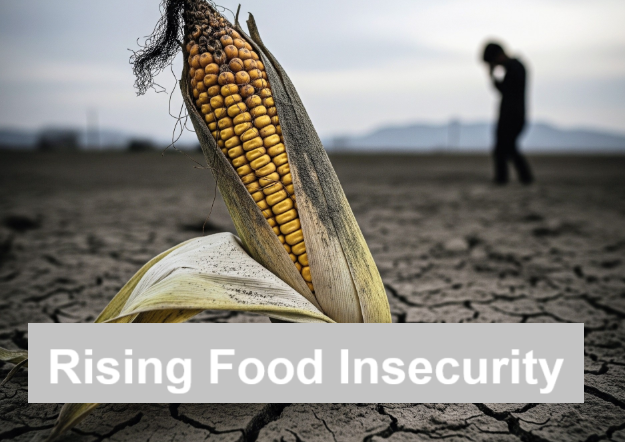
In recent years, Canada has faced a significant escalation in food insecurity, with the 2025 Poverty Report Card from Food Banks Canada revealing a stark 40% increase in poverty and food insecurity since 2023. This troubling trend is particularly pronounced in Ontario, where approximately 16% of households, or about 2.34 million people, struggle to afford nutritious food regularly. The report underscores that one in four Canadians is now grappling with food insecurity, with some individuals enduring entire days without eating. This situation is not merely a statistic but a pressing humanitarian crisis that demands immediate attention and action.
Factors driving the surge
Several factors contribute to this surge in food insecurity. Economic pressures, including inflation and stagnant wages, have eroded purchasing power, particularly for low-income families. The cost of living in Ontario has risen sharply, with housing costs alone consuming a significant portion of household incomes. Additionally, the influx of immigrants and refugees, while a vital part of Canada’s diversity, has strained resources in some areas, exacerbating the demand for affordable housing and food. The lingering effects of the COVID-19 pandemic have also disrupted employment and income stability, pushing more families into precarious financial situations.
It’s worse in Ontario
In Ontario, the situation is compounded by regional disparities. Urban centers like Toronto and Ottawa face acute challenges due to high living costs, while rural areas struggle with limited access to fresh, affordable food. Public Health Ontario data indicates that policies increasing household income, such as a higher minimum wage, increased social assistance rates, and lower income tax rates for the lowest income households, are crucial to addressing this issue. However, these measures alone are insufficient without targeted provincial and local actions.
Ontario and its municipalities could implement several specific strategies
To combat this crisis, Ontario and its municipalities could implement several specific strategies. First, the province should expand and enhance social assistance programs. Increasing the Ontario Works and Ontario Disability Support Program rates to reflect the true cost of living would provide immediate relief to vulnerable populations. Second, investing in affordable housing initiatives is essential. The provincial government could partner with municipalities to develop more social housing units and enforce rent control measures to prevent excessive increases. Third, improving access to nutritious food through community-based solutions, such as expanding food bank networks and supporting local agriculture, can address immediate needs while fostering long-term sustainability.
At the municipal level
At the municipal level, cities and counties can play a pivotal role by fostering community partnerships. For instance, local governments could collaborate with non-profits and businesses to establish community kitchens and food hubs that provide affordable meals and distribute surplus food. Additionally, municipalities could advocate for zoning changes that support urban farming and community gardens, thereby increasing local food production and accessibility. Educational programs on nutrition and budgeting could also empower residents to make the most of limited resources.
Nationally, the federal government has introduced initiatives like the Canadian Dental Care Plan and a $4 billion housing pledge, aimed at alleviating some of the pressures contributing to food insecurity. However, these measures require time to yield results, and their impact is not yet widely felt. The federal government should consider a national strategy that includes a guaranteed basic income pilot, as suggested by some experts, to provide a safety net for all Canadians.
Furthermore, reforming programs like Nutrition North Canada, which aims to improve food access in remote areas, could be more effective if guided by Indigenous-led initiatives, as recommended by recent reports.
In conclusion
The rising tide of food insecurity in Ontario and Canada is a multifaceted problem rooted in economic, social, and policy challenges. While the causes are complex, the solutions lie in a concerted effort across all levels of government and community. By implementing targeted policies that increase income, improve housing affordability, and enhance food access, Ontario and Canada can begin to turn the tide on this crisis, ensuring that no one goes hungry in a land of abundance. The time for action is now, as the human cost of inaction continues to mount.